The Fear Is Real
This article is the direct result of a discussion I have had with many people starting around 2023. Coworkers, professors, friends, relatives. I am not going to pretend the worry is silly. Where I work, we went down a road of automation. The result was astounding. Prior to this, it was abstract. I read about it, but things like this happened elsewhere. As a tradesman that went white collar, I have a foot on both sides of the line, so I thought I would get my notes organized.
A June 2026 Pew survey found that 52% of Americans are more concerned than excited about artificial intelligence in daily life. Only 9% are more excited than concerned. And 71% expect fewer jobs in the United States over the next twenty years (McClain & Park, 2026).
Those are not fringe numbers. That is most of us and unfortunately, it is gaining a political slant. So here is where I land. I use AI every day, I think more people should, and I think the human in the loop is the whole point.
A little background: I was (am?) a journeyman carpenter for more than a decade. I have also studied computer science and now work as an analyst. I am very easy to find online if you want to know more.
The Luddites and the Planing Machine
Let me start before carpentry, with the people whose name became an insult.
In 1811, in Nottinghamshire, England, skilled textile workers began smashing the machines in their mills. They became known as the Luddites. Today the word means anyone who dislikes or eschews technology (there is your $50 word of the day). The history is a little more interesting. As Britain industrialized, textile machinery disrupted skilled trades, while some employers increasingly used lower paid and less skilled workers to cut costs. The tradesman fear was well founded.
The government responded with troops and a law that made machine destruction a capital crime (The National Archives, n.d.). You don't need a history lesson to know what happened. The machines stayed anyway.
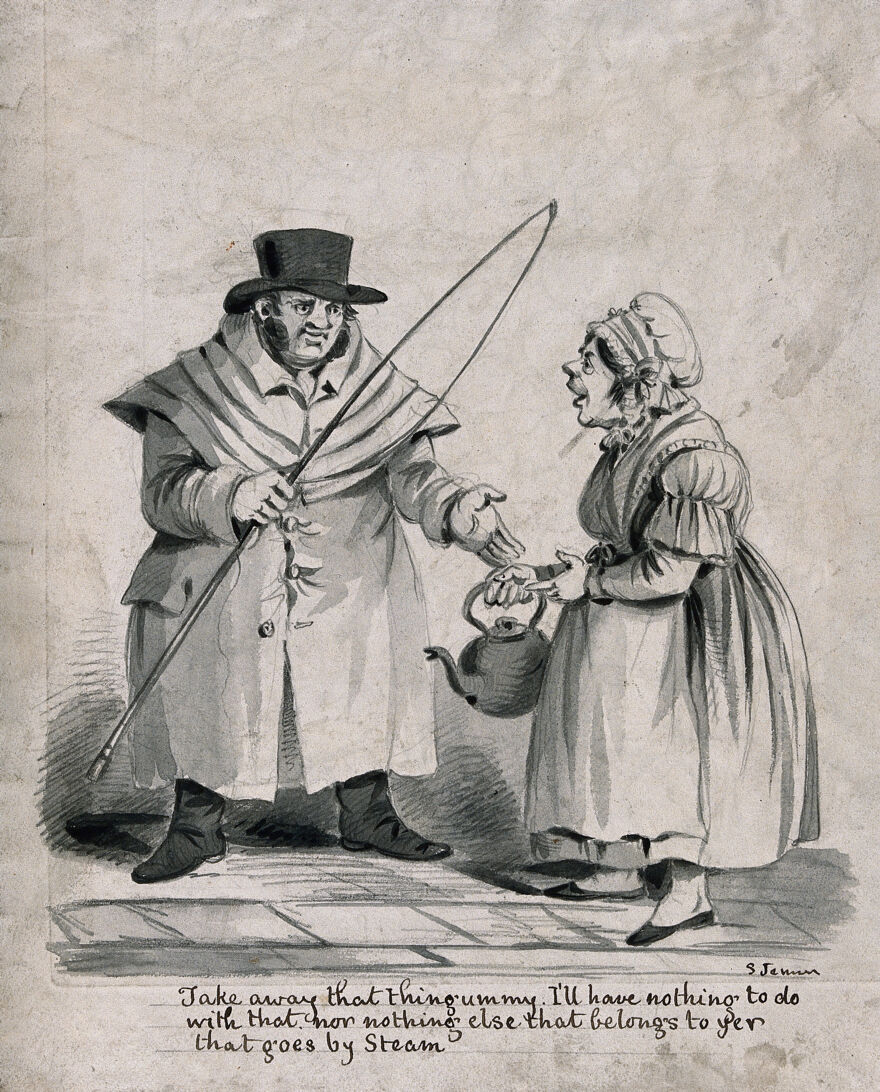
In Britain, 1824, a Parliamentary committee on artisans and machinery declared that the crafts of the carpenter, joiner, turner, and carver were quite secure (Regency Town House, n.d.). Across the Atlantic, in 1828, a man named William Woodworth invented a machine that could plane lumber and cut tongue and groove at the same time. Woodworth was a carpenter himself. His fellow carpenters felt so strongly against the machine that the first mill to use it had to be guarded day and night for several months (William H. Field Company, 1920).
That was their craft, it took a long time to learn and master. More importantly, that was how they fed their families which is now in threatened.
Fifty three years after that invention, the United Brotherhood of Carpenters was founded. Among its first concerns was that labor saving machinery should not be used to reduce skilled workers' pay, a response to mills turning out the window frames, moldings, and door sashes that carpenters used to build by hand on the job site. It was a hard transition, with lost hours and unsteady work for many carpenters (United Brotherhood of Carpenters and Joiners of America [UBC], n.d.).
The trade also put weight on training. The Brotherhood's founding secretary favored a formal apprenticeship system to keep standards high through constant change (UBC, n.d.). My opinion that the apprenticeship and continuous training/certifications is the best thing to evolve from this.
We are starting to get a picture here. Two groups of skilled workers had the same fear about new machines. One tried to stop the machines. The other kept its attention on training and standards for the people using them.
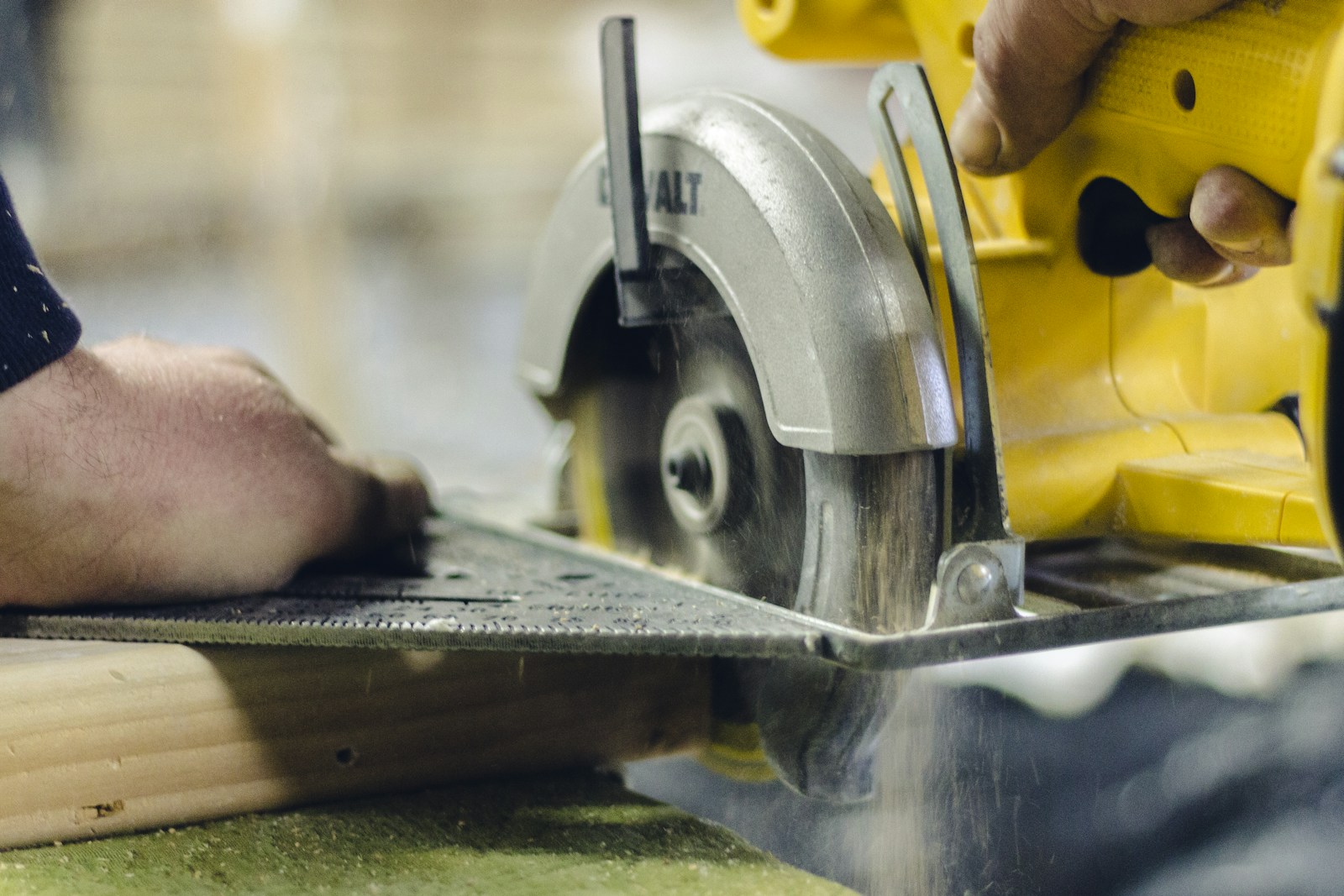
Another example from the carpentry side: The portable electric circular saw showed up in the 1920s (SKIL, n.d.). Today nobody thinks framing a house with a handsaw makes you a better carpenter. Quite the opposite. You will be harrassed by your coworkers and ruthlessly dressed down by the job foreman.
But you do not hand a first year apprentice a circular saw without guidance. Keep your fingers away from the spinning blade.
That is the whole argument. The fear of unknow is real and fair. The tool is not the danger though. Ignoring it's capability and not learning how to harness it, is.
Hours Into Minutes
Let me now bring this to the white collar world.
In my own experience, artificial intelligence turns hours of work into minutes. Not every time, and not for every task, but often enough that I stopped being surprised.
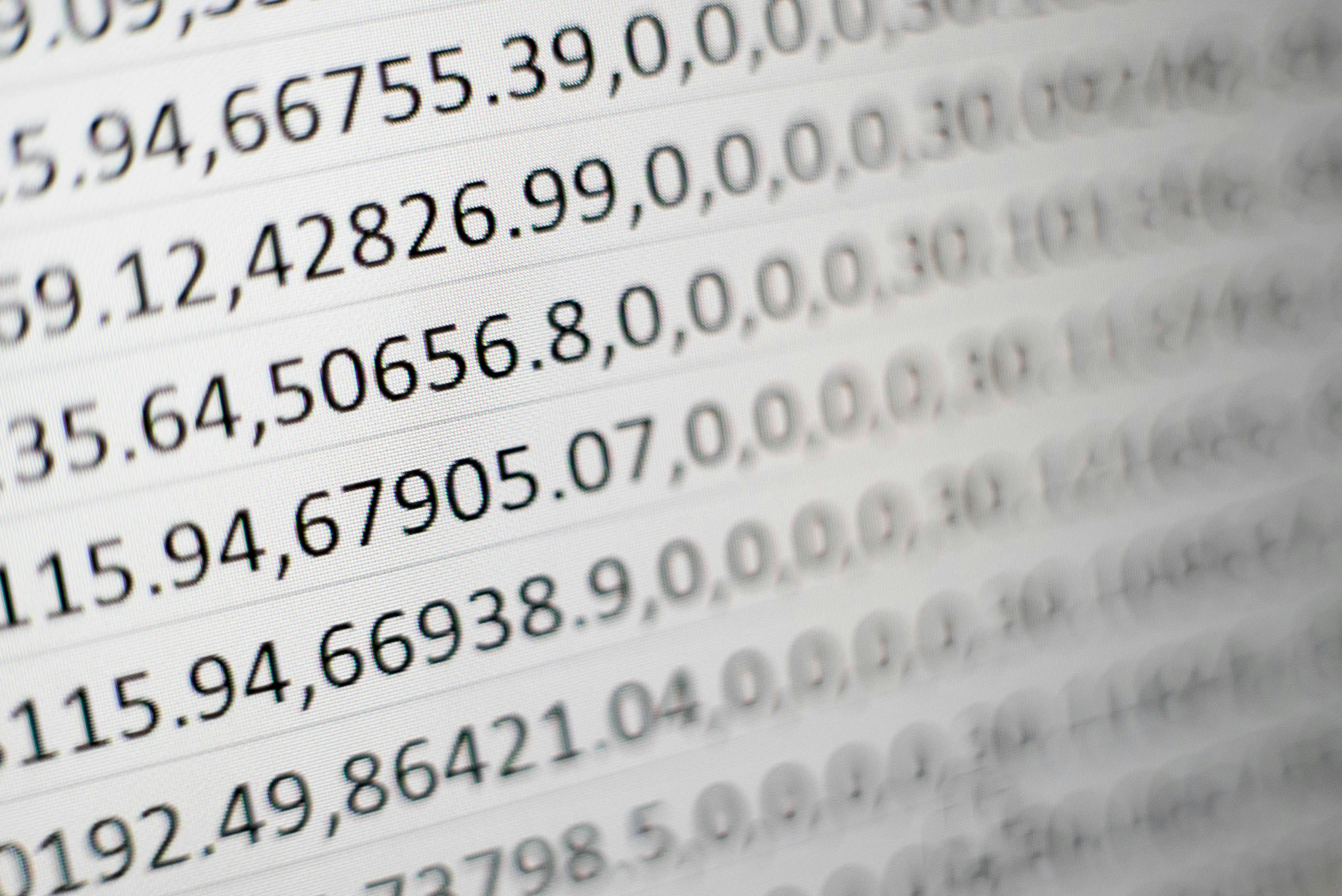
Here is a typical one. You have exported data into a spreadsheet with 40,000 rows with a task to condense and answer how many open cases by region are older than 3 days. (cycle time for my disaster peeps). By hand, that means filtering, sorting, building a pivot table, discovering that something isn't right so you have to go through and "clean" some columns, fixing it, and checking everything twice.
With an assistant, I describe the columns, headers and a few made up (synthetic data) sample rows, never real data, and say what I need. Back comes a formula and an explanation:
=COUNTIFS(Table1[Region],"Northeast",Table1[Status],"Open",Table1[DaysOpen],">3")
pasting info to getting an answer is about 30 seconds give or take. Most likely it will also suggest alternatives: XLOOKUP to join two lists, UNIQUE to remove duplicates, and a fix for text dates. I adapt the formula, execute, and then I am checking the answer instead of building it. This actual type of work has accounted for HOURS of research on my part (I am not an excel master) now reduced to a couple of minutes.
The research is more modest than my experience, and that is worth saying out loud. In a study published in Science, 453 college educated professionals completed writing tasks. Those using ChatGPT finished 40% faster, and their work was rated 18% higher in quality (Noy & Zhang, 2023). Averages hide a lot, and I suspect the tedious, mechanical tasks are where the biggest swings live. That has been my experience, that AI is great for "grunt work."
The carpenter in me says measure twice, cut once ('The' master wrote a book on it! :-D Abram, 1996). I spot check the output against a handful of rows I can verify by hand, every time. The saw cuts fast. It does not know whether you marked the board wrong.
It's Not Just Spreadsheets
Let me go somewhere that matters more than a spreadsheet: the doctor's office.
Anyone who has seen a doctor lately knows the screen sometimes gets more attention than you do. Documentation is a big reason. Something new called Ambient AI (artificial intelligence systems that operate continuously in the background...with your permission first) listens to the visit so the conversation can carry on between you and your doctor without interruption. AI drafts the notes, and the physician reviews it for accuracy.
In a study of 263 physicians and advanced practice clinicians across six health systems, burnout among those in ambulatory clinics fell from 51.9% to 38.8% after 30 days with an AI scribe (Olson et al., 2025). Season 2 of "The Pitt" touches on this. (great show) Now the fine print, because this is a piece about review. Participation was voluntary, there was no control group, and two of the authors worked for the company that makes the scribe, though the statistics were run by authors who did not. Encouraging, not proof.
A smaller study followed nine experienced clinicians at Singapore General Hospital. Documentation time per consultation dropped 15%, and the proportion of time spent making eye contact with patients rose 10.6% (Tan et al., 2026).
Fifteen percent sounds small. But one clinical informatics fellow did the math this way: at 20 patients a day, saving two or three minutes each adds up to multiple hours a week (Advisory Board, 2026). That is time back for patients, and for dinner at home.
It is not magic, though. A randomized trial published in NEJM AI found that clinically significant inaccuracies still showed up occasionally (Lukac et al., 2025), and some clinicians report spending real time editing the drafts (Advisory Board, 2026). So the doctor reads the note before it goes in the chart.
The human review still matters. I am really excited for the medical breakthroughs to come through AI taking on the grunt work, spotting patterns that humans may miss, analyzing in seconds the absolute mounds of medical information that would take us hours, days, weeks, and years to gain anything useful.

Three Kinds of Help
Not all AI help looks the same.
Chat assistants like ChatGPT, Claude, Gemini, and Grok are the easy on ramp. You type, it answers. If you have avoided them so far, I encourage you to jump in. Their free teirs are good.
Agents you build yourself are different. Instead of simply answering, they do. That is Jerry, my local OpenClaw agent, who reads files, writes code, runs tests, and keeps going toward a goal. He is a bit of a dufus, which is exactly why he works under rules: stay in the project folder, work only the active task, and make the records agree before moving on. If you want to read more about Jerry who runs on my machine at home: https://edukonis.com/~medukonis/blog/2026/09/20/
Agents that arrive ready to use are the newest, and this is where I had to hand it to Meta. I am not a huge fan of their platforms, but I still keep accounts on all of them. On September 8, Meta launched Muse, a personal agent, and I figured it was nothing groundbreaking. My experience felt like an Apple product: it just works. Right out of the gate, it asked what I would like to work on.
So I gave it real jobs. Every day, Muse:
- Reports US disaster events from the previous 12 hours
- Watches memory and GPU prices and reports what moves - Jerry needs more of each :-( $$$
- Finds job openings that fit my criteria
- Reviews my social media feed for major developments from family and friends, plus birthdays
- Curates a feed of technology articles
So far, this is lightweight stuff but before this, what used to take many interrupted hours is now a focused 30 minute session. Setting up each task was as simple as telling Muse what I needed in plain English. Together they use only about 10% of the free tier each week.
I am not the only one noticing. In late September, CNN reported that Muse was the most popular free app in Apple's App Store, with more than 2.5 million downloads since launch (Eadicicco, 2026). I am still on the free tier. One heads-up: launch coverage said Muse requires a payment card to sign up (Paul, 2026). I was never asked to enter one, so I must already have had one on file with Meta. I previously wrote about Muse and I stated that I was not asked for payment (https://www.linkedin.com/feed/update/urn:li:activity:7506144348749651971/) Check before you start.
Here is what impressed me most. Muse stopped and asked for my permission before it accessed certain items. That was new to me. In my Jerry post, I asked how an agent knows when to stop. That is one good answer. It also showed some initiative. Normally when I set up a daily report, we go back and forth about which sources to use, but it seems Muse can think outside the box when the situation calls for it.
Now I put my safety glasses on. An agent that can act needs access. Muse can connect to email, calendars, and payment methods. Meta says it cannot see your passwords or payment details and that it keeps a complete record of what it has done (Paul, 2026). I like the record, because it is the same lesson Jerry taught me: bounded work, and a log a human can read.
Start small. Give it a job that reads and summarizes before you give it a job that spends.
The Human Review Still Matters
Every one of these examples depends on the same thing.
- The carpenter checks the cut.
- I check the spreadsheet.
- The doctor reads the notes.
- I read the daily reports before I act on them.
- I read what Jerry changed.
- ^^^ notice the list of stuff I assign to AI is growing
Jerry (my own AI running at home on my machine) once started creating files in the wrong directory. The tests passed and the paperwork lied. The only reason nothing was damaged was guardrails were in place and I was watching.
So here is my pitch to the worried. Your fear is a useful instinct. Do not use it to avoid the tool. Use it to learn the tool. Build the habits: verify, supervise, and know when to stop.
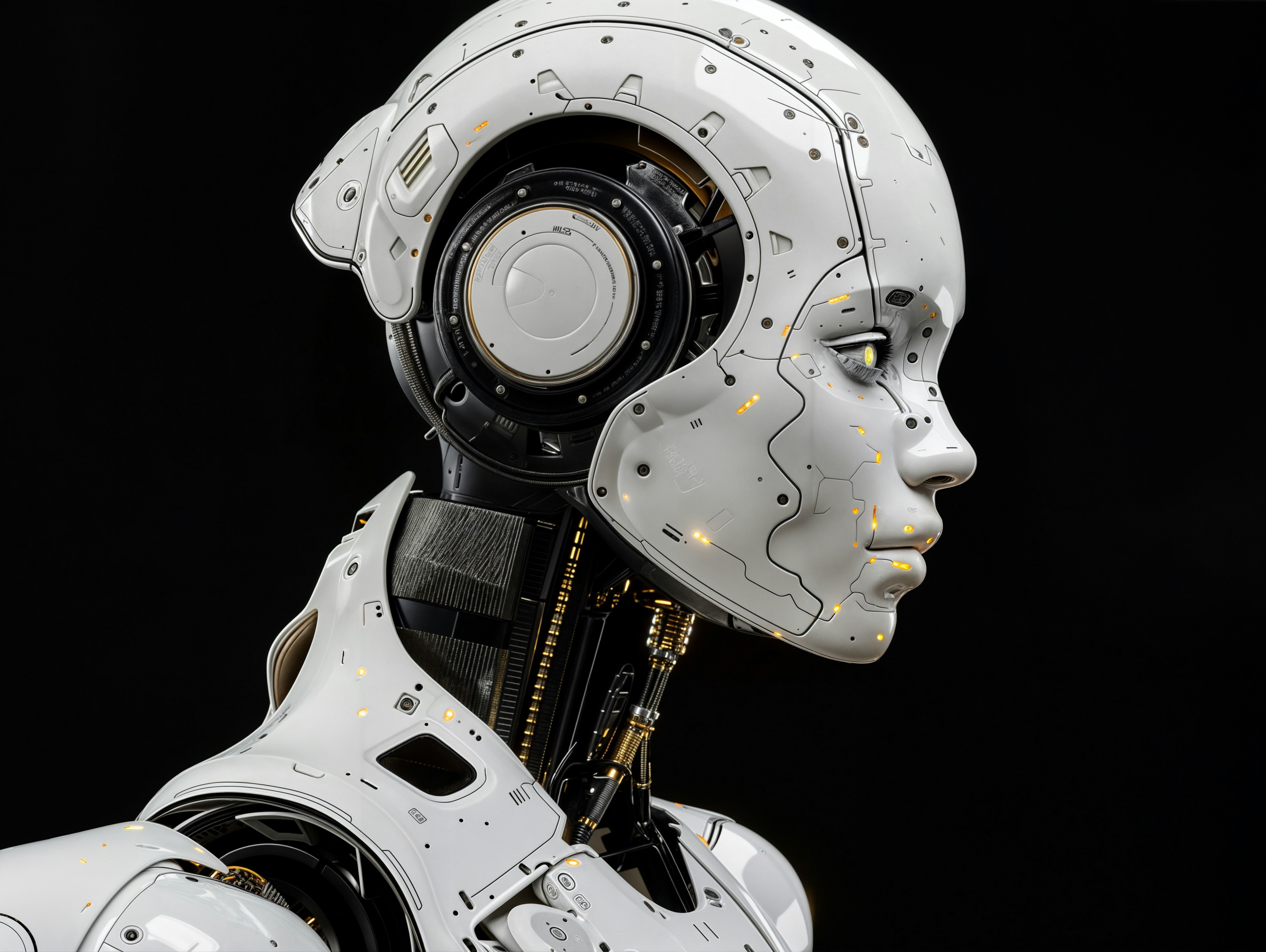
The textile machines, the planing machine, the circular saw, were signals (That were talking :-D Webb, 2016). So is a free app that builds your daily briefing, analyzes your spreadsheets, and makes you more productive. Look ahead to what happens when the AI grows arms and legs. The carpenters who learned the machines, kept building. I would like us to do the same.
These are my personal views, not those of my employer.
References
Advisory Board. (2026, February 4). Are ambient AI tools the key to reducing physician burnout? https://www.advisory.com/daily-briefing/2026/02/04/ambient-ai-oi-ec
Eadicicco, L. (2026, September 23). Meta says its Muse AI agent can do things for you. I put it to the test. CNN. https://www.cnn.com/2026/09/23/tech/meta-muse-ai-agent
Lukac, P. J., Turner, W., Vangala, S., Chin, A. T., Khalili, J., Shih, Y.-C. T., Sarkisian, C., Cheng, E. M., & Mafi, J. N. (2025). Ambient AI scribes in clinical practice: A randomized trial. NEJM AI, 2(12). https://doi.org/10.1056/AIoa2501000
McClain, C., & Park, E. (2026, August 18). Young adults in the U.S. are increasingly wary of AI, concerned it will take jobs. Pew Research Center. https://www.pewresearch.org/short-reads/2026/08/18/young-adults-in-the-us-are-increasingly-wary-of-ai-concerned-it-will-take-jobs/
The National Archives. (n.d.). The proclamation of Ned Ludd. https://www.nationalarchives.gov.uk/explore-the-collection/stories/the-proclamation-of-ned-ludd/
Noy, S., & Zhang, W. (2023). Experimental evidence on the productivity effects of generative artificial intelligence. Science, 381(6654), 187–192. https://doi.org/10.1126/science.adh2586
Olson, K. D., Meeker, D., Troup, M., Barker, T. D., Nguyen, V. H., Manders, J. B., Stults, C. D., Jones, V. G., Shah, S. D., Shah, T., & Schwamm, L. H. (2025). Use of ambient AI scribes to reduce administrative burden and professional burnout. JAMA Network Open, 8(10), Article e2534976. https://doi.org/10.1001/jamanetworkopen.2025.34976
Paul, M. (2026, September 8). Meta's Muse agent can book travel, shop and send emails. T2 Online. https://t2online.in/tech/tech-news/meta-s-muse-agent-can-book-travel--shop-and-send-emails/2007887
Regency Town House. (n.d.). Carpentry and joinery. https://www.rth.org.uk/building-regency-houses/building-crafts-skills/carpentry-joinery
SKIL. (n.d.). History. https://www.skileurope.com/uk/history
Tan, J. Y. E., Rafi, I. B. M., Sng, G. G. R., Tung, J. Y. M., Lim, D. Y. Z., Ong, J. C. L., Lim, G. H., Lew, E. Y. L., Chia, K. W., & Heng, M. K. H. (2026). Impact of an ambient AI scribe among clinicians and patients: Real-world prospective observational time-motion study. JMIR Medical Informatics, 14, Article e85580. https://doi.org/10.2196/85580
United Brotherhood of Carpenters and Joiners of America. (n.d.). Technology, tools and training. https://www.carpenters.org/technology-tools-and-training/
Webb, A. (2016). The signals are talking: Why today's fringe is tomorrow's mainstream. PublicAffairs.
William H. Field Company. (1920). A short history of woodworking machinery. In Field's wood working machinery reference book. VintageMachinery.org. http://wiki.vintagemachinery.org/Short%20History%20of%20Woodworking%20Machinery.ashx
Abram, N. (1996). Measure twice, cut once: Lessons from a master carpenter. Little, Brown.
Want to Compare Notes?
Feel free to reach out if you have thoughts on how AI is affecting your life and work or, how it may affect both in the future.